


Introduction
This page describes Phase 2 of PR3 – the Pelvic Rehab Restoration Roadmap, and explains the options that men have to regain their quality of life while still recovering from pelvic surgery. Things are organized in a question/answer format and have been broken into two sections much like the information in Phase 1. Please remember that these therapies are optional and are to be considered in addition to the plan laid out in Phase 1: Preserve.
If you ever have any questions or concerns, please feel free to call the Urology Partners Center for Men’s Health at (866) 367-8768.
Daily
How often Viagra can be taken to increase baseline blood flow to the erectile tissue.
$5-10
Per-dose cost of intracavernosal injections (Trimix).
Section 1: Erectile Performance
What options do I have if I want to perform sexually while my nerves are still recovering?
As we mentioned in the Phase 1 page, even if men undergo a nerve-sparing procedure, it can still be several months until these nerves ‘wake up’ and men are able to perform sexually. While the exercises and therapies listed in Step 1 are designed to help preserve the erectile tissue while the nerves recover, the interventions listed in this handout are for men who also want to achieve functional erections for sexual intimacy during this time period.
Generally speaking, there are three options that men have when trying to achieve erections as their pelvic nerves recover:
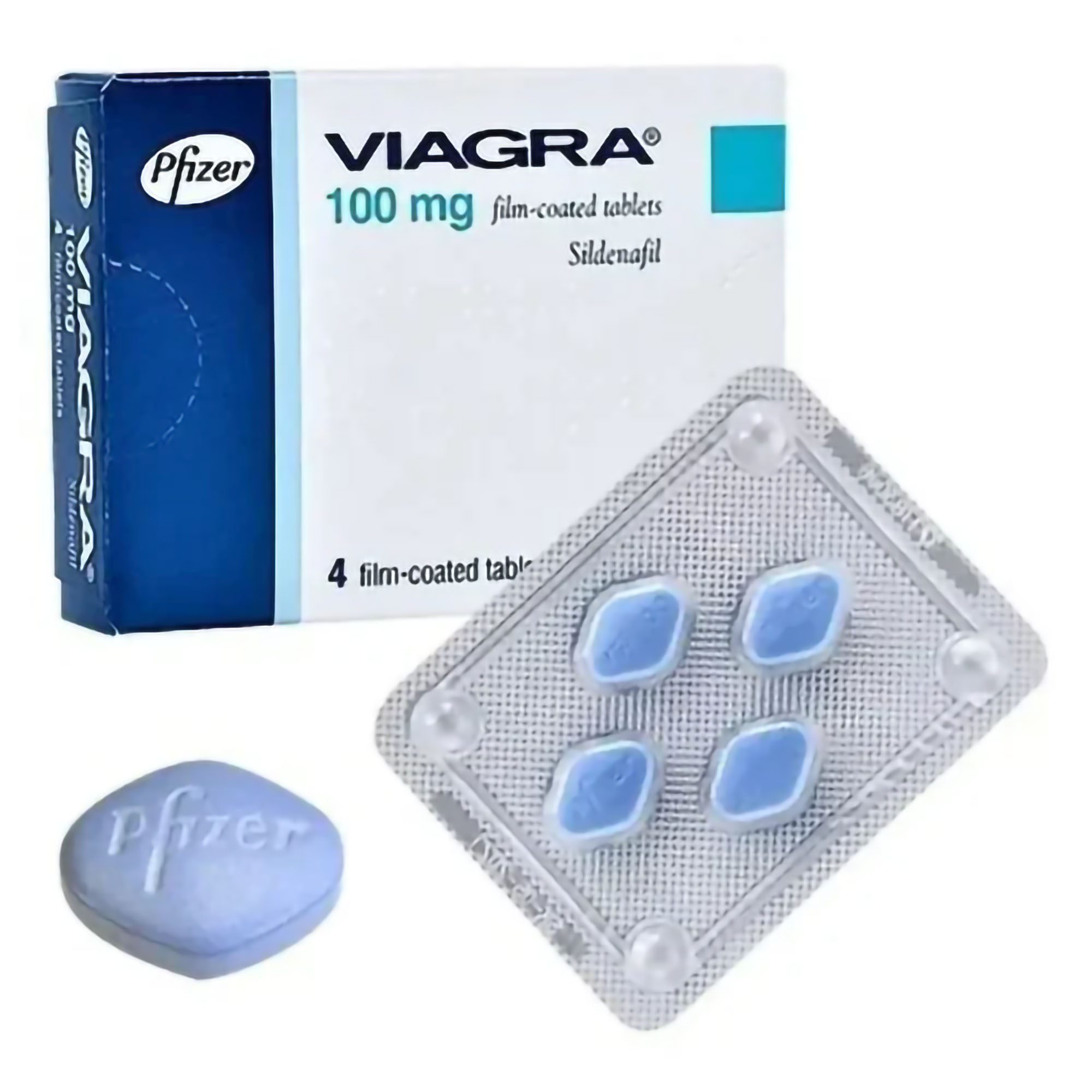
What is the medication sildenafil (also known as Viagra)?
Much like the daily dose of tadalafil that was recommended in Step 1, sildenafil is a medication known as a ‘phosphodiesterase inhibitor’. It can be taken in addition to the daily dose of tadalafil that men take to increase their baseline blood flow to the erectile tissue. When combined with sexual stimulation, this ‘booster’ dose of sildenafil can sometimes be enough for some men to achieve erections even before their nerves have completely recovered (although it does require some level of nerve function). It is the easiest of the 3 options mentioned above, and as such will often be the first option.
What dose should I take?
Typically, our office prefers to prescribe the larger 100 mg dose. This is generally more cost effective and can be broken down into smaller doses if needed. We typically recommend starting with a half tablet, 50 mg, take approximately 1 hour prior to desired sexual activity on an empty stomach. If this isn’t effective, you can increase the dose to 100 mg the following night.
As all PDE5i medications, including Viagra (Sildenafil) and Cialis (Tadalafil) work through the pelvic nerves, these medications will require some healing of the nerves to be effective. One way to “check” the status of nerve healing is to intermittently use the 100mg “booster” of Viagra, every few weeks to see how much an erection you are able to attain. With each passing month of healing, it should work better and better, until it is hopefully one day sufficient for intercourse again.
Does sildenafil have any side effects?
Like daily tadalafil, as-needed sildenafil is incredibly safe but it should NOT be taken by men who are also taking ‘nitrate’ containing medications. Some examples of these include nitroglycerine tablets, isosorbide mononitrate, and nitroglycerine patches. If you’re unsure if you’re taking one of these medications, please call our office review your medication list before you start taking this medication.

Headaches
At higher doses
Runny Nose
At higher doses

Blue “Shimmer”
Around certain lights
These side effects, if present, will go away with time. If they are too bothersome, we recommend backing down to a lower dose.
What are intracavernosal injections a.k.a. Trimix?
Intracavernosal injections are a way for men to achieve an erection suitable for sex if as-needed sildenafil isn’t effective. If as-needed sildenafil isn’t working for you and you’re interested in trying injection therapy, please let us know and we can get you started in injection therapy. As these injections go directly into the penis, bypassing the nerves, they will be effective even in the early stages of healing.
How do intracavernosal injections work?
Intracavernosal injections contain medications that directly open the penile blood vessels, called vasodilators. Unlike as-needed sildenafil, they don’t require any sort of pelvic nerve function in order to work. This means that they can be an effective tool for men who desire to be sexually intimate as they are still recovering from prostate removal.
There are many different formulations of intracavernosal injections, each with different names. Some common names include Bimix, Trimix, and Quadmix – depending on how many ingredients are in the mixture. As these are compounded medications, they are not covered by insurance, but they are quite affordable from compounding pharmacies – around $5-10 per dose.
It’s important to note that just because a man may require intracavernosal injections immediately after prostate removal, using them will not make him ‘dependent’ or mean that he will always require them. Many men will have their natural erections return with time, but injections may allow them to resume sexual activity sooner than they would have been able to otherwise if oral sildenafil is insufficient. But remember, injections are not considered to be a replacement for regular VED use along with daily tadalafil and L-citrulline supplementation which are still critical parts of penile rehabilitation.
What are the side effects of intracavernosal injections?
Although intracavernosal injections are generally considered to be safe, it is important to be aware of potential side effects:

Burning
At the site of injection1

Priapism
A prolonged, painful erection2
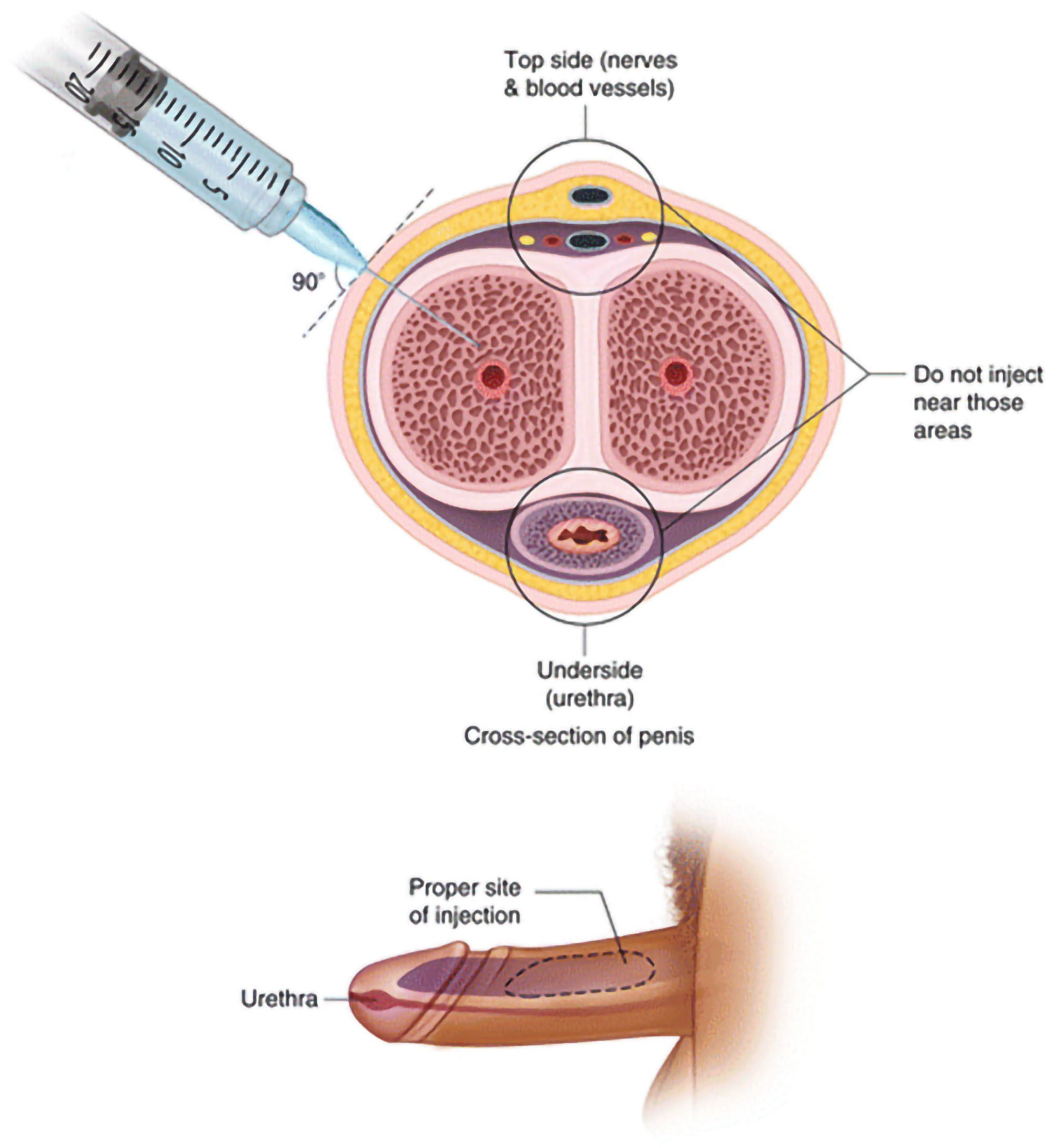
1. This may depend on the type of medication being used and can occasionally persist for several minutes. Men should also be careful to only inject along the side of the penile shaft, as the urine tube (the urethra) runs at the 6 o’clock position and the nerves that supply the head of the penis run at the 12 o’clock position. Detailed instructions on injection technique are provided below.
2. This is defined as an erection lasting longer than 4 hours and is considered to be a medical emergency. Generally, we recommend that patients seek care well before the 4-hour mark. Men experiencing a prolonged erection lasting 1 full hour should take 60 mg of over-the-counter pseudoephedrine (Sudafed). Men starting injection therapy should keep a supply of this medication on-hand just in case. If the erection has not resolved in 30 minutes (1.5 hours since it first started), we recommend that men seek assistance urgently. If during business hours, we recommend that men come to our Men’s Health Center to seek care. If outside of business hours or if isn’t possible to reach the Men’s Health Center, we recommend going to the closest emergency room.
How should I perform the injections?
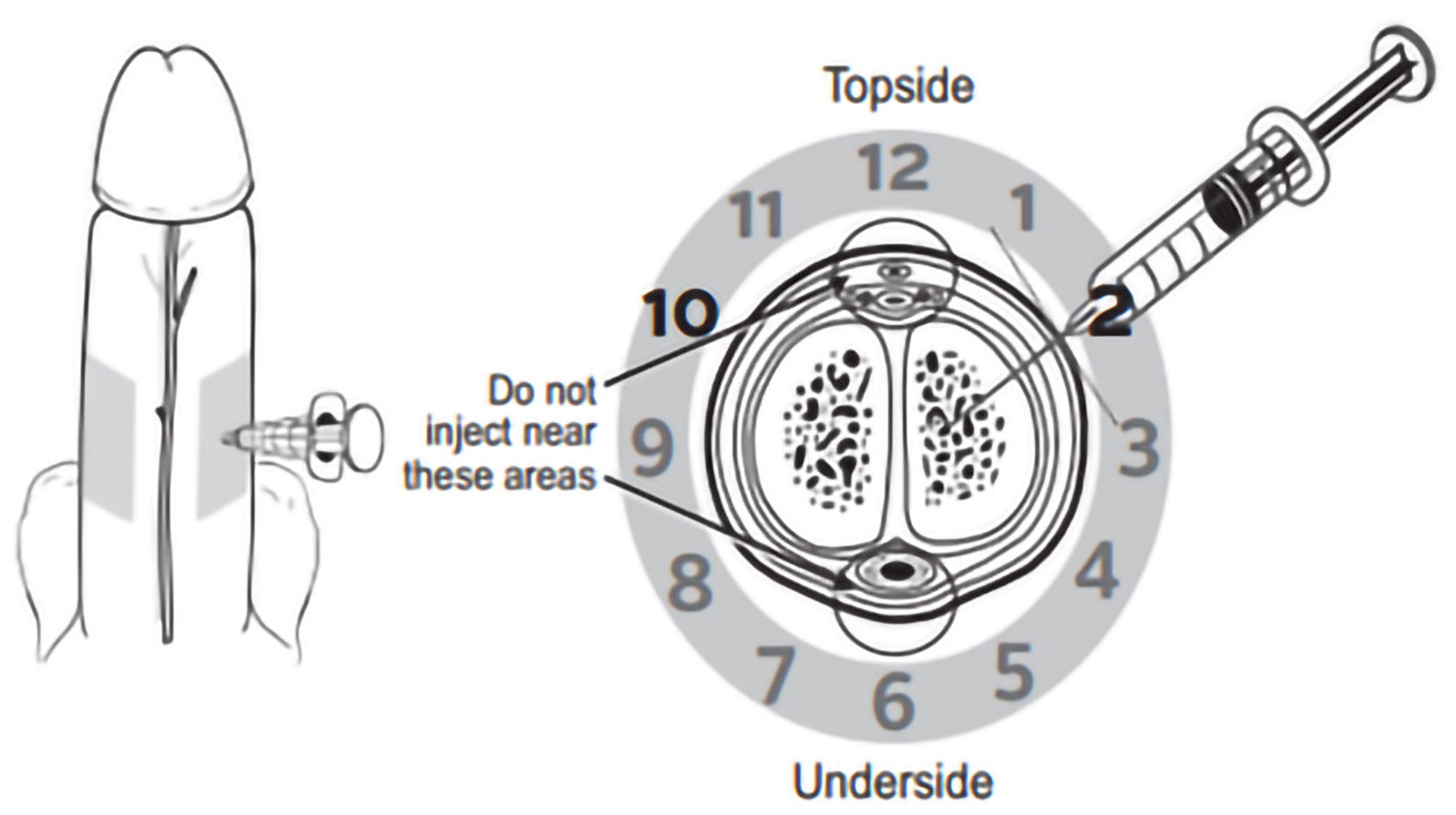
- The injection should be given directly into penile shaft at the 2 o’clock or 10 o’clock position. You do not want to give injection directly on top (12 o’clock) or bottom (6 o’clock). Please give the injection mid-shaft and avoid the head of your penis (see figure).
- Prepare the medication as directed. Some pharmacies will require mixing sterile water with the medication powder while others will pre-mix the medication.
- Using the provided needle and syringe, draw up your prescribed dose of medication and replace the needle cap.
- Grasp the head of your penis, not the skin. If you are not circumcised, pull your foreskin back before grasping the head of your penis. Pull your penis straight out.
- Locate the area to be injected (see above). Wipe it with an alcohol swab.
- Remove the cap covering the needle. Double check the syringe to make sure the dose is correct and you haven’t pushed any medication out by accident. Hold the syringe like a pen or a dart. Do not place your index finger or thumb on the plunger until the needle is all the way in the skin.
- Once again, grasp the head of your penis with your thumb at the 12 o’clock position and pull it straight out. You must keep tension on your penis; do not twist it since this could lead to injecting the wrong area.
- Touch the needle to the skin and gently slide it into the shaft of your penis. Make sure to avoid any veins.
- Make sure to insert the needle at a slight angle and push it all the way in (See figure above).
- Push down on the plunger to-inject the medication into the shaft of your penis. Be careful not to pull the syringe out as you are injecting the medication.
- Remove the needle after you have injected all the medication. Pull it straight out. Do not use a twisting or jerking motion because this may cause bruising. Apply pressure, if bleeding, for 1 to 2 minutes with your thumb on the injection site and your index finger on the opposite side of your penis. If you are taking a blood thinner or aspirin, may need to hold longer.
- Place the syringe into a sharps container. If you do not have a sharps container, you may use an empty plastic laundry detergent container or soda bottle. These can be disposed of safely at most major pharmacies.
- Alternate sides with each injection.
- Do not use more than one injection every 48 hours.
What if my dose isn’t effective?
If you have been given Bimix, Trimix or Quadmix, you may increase your dosing by 0.1 cc or 10 units (depending on syringe given by the pharmacy) as needed in order to achieve the desired effect (an erection lasting no longer than one hour). You should never perform more than one injection every 48 hours and you should never use a dose higher than one full syringe (100 units or 1.0 cc). Increasing your dose by too much or performing more than 1 injection every 48 hours significantly increases your chance of developing a priapism (prolonged, painful erection).
Can you give me some final pointers on intracavernosal injection therapy?

What about using the Vacuum Erection Device, or VED?
Although primarily used for daily penile exercise, the VED can also be used for sexual activity when combined with a constriction band. This band, typically included with the device when purchased, traps the blood pulled into the penis when applied to the base of the shaft. The instructions for band use vary based on the VED being used. However, men should keep in mind that the constriction band cuts off all blood flow and as such can only be used for 30 minutes at a time.
Section 2: Bladder and Urine Control Performance
What can I do to help control my bladder beyond Kegels alone?
As mentioned in Part 1, Kegels are an excellent way to strengthen the pelvic muscles and promote early urine control. However, for motivated men that are still experiencing leakage at the time of their first follow-up, we will often suggest pelvic floor physical therapy. Pelvic floor physical therapy offers men the chance to practice advanced pelvic exercises that go beyond Kegels and offer men the chance to achieve even more control over their urine stream. It is well worth your investment as this can pay huge dividends when it comes to regaining continence.

Conclusion
That’s everything for Phase 2 (Perform) portion of the Pelvic Rehab Restoration Roadmap. Learn more about Phase 1 (Preserve) and Phase 3 (Prevail) by clicking the following buttons:
If you ever have any questions or concerns about anything discussed above, please don’t hesitate to call us at (866) 367-8768.